Procedural Writing and Animation

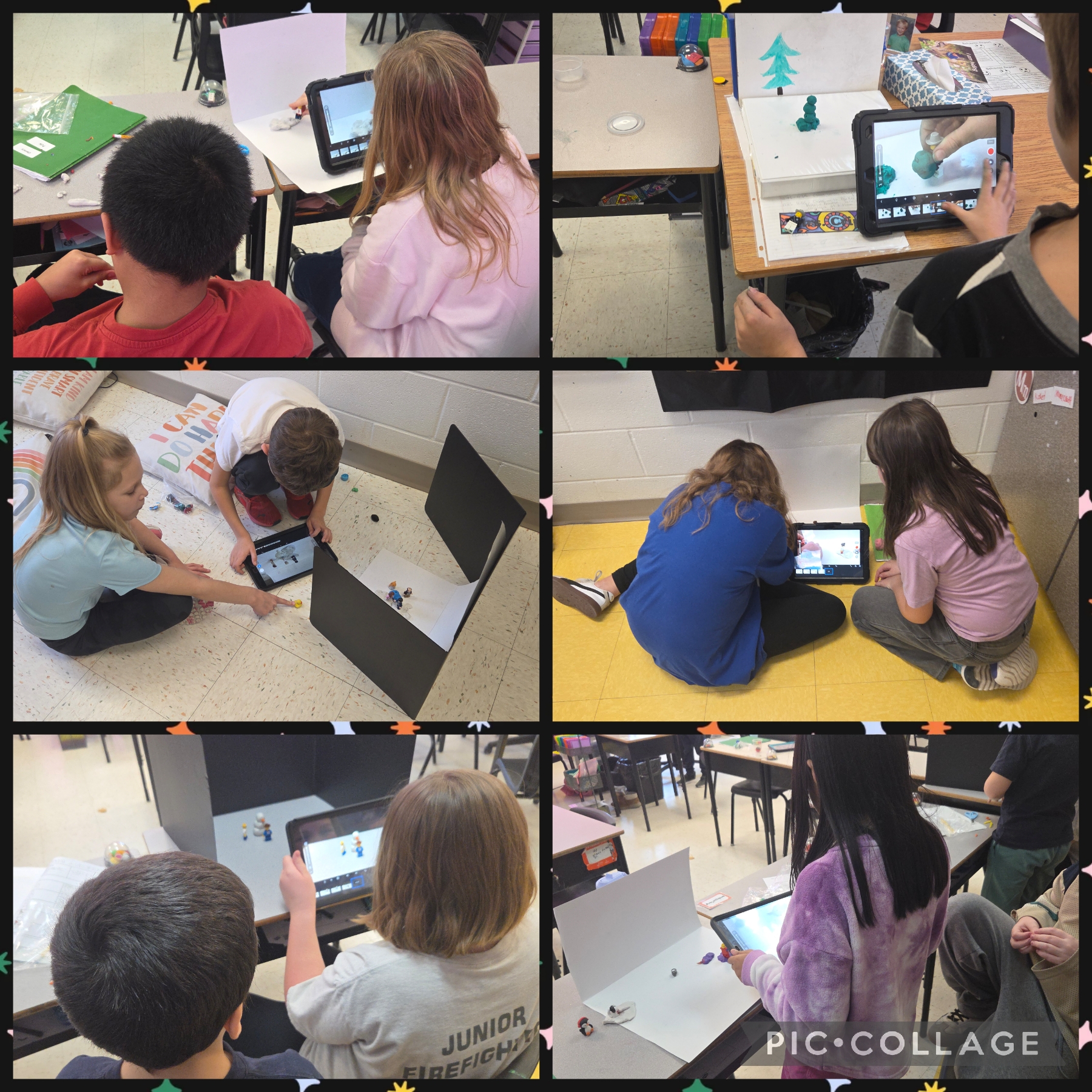
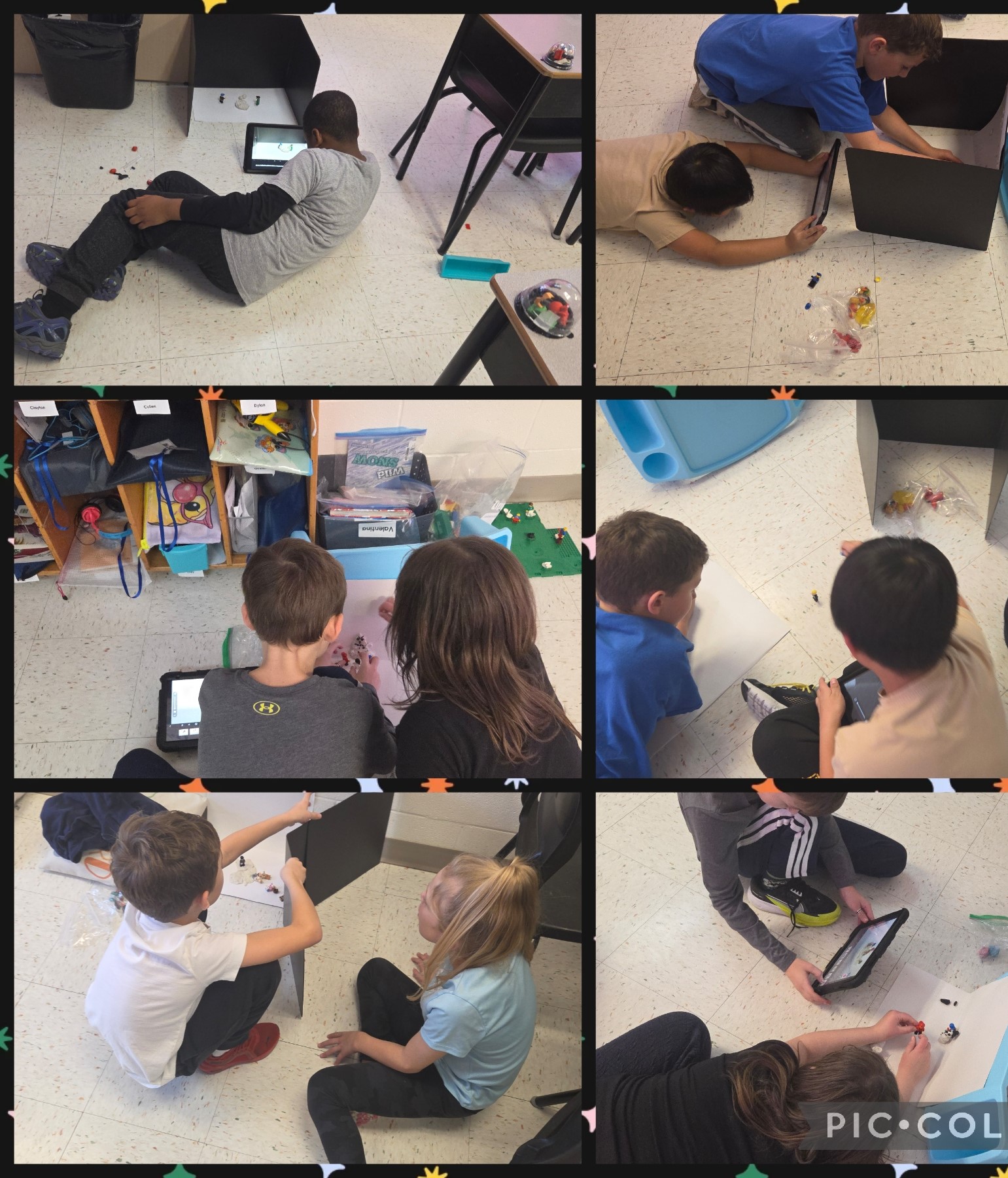
Our students are bringing their writing to life! Using the Stop Motion Studio app, they are transforming their procedural writing piece, “How to Build a Snowman,” into a creative animation. This project allows students to combine technology with storytelling, showing each step of their instructions through stop motion videos. It’s a fun and engaging way to see their ideas in action while developing digital literacy skills.
Rocks and Minerals

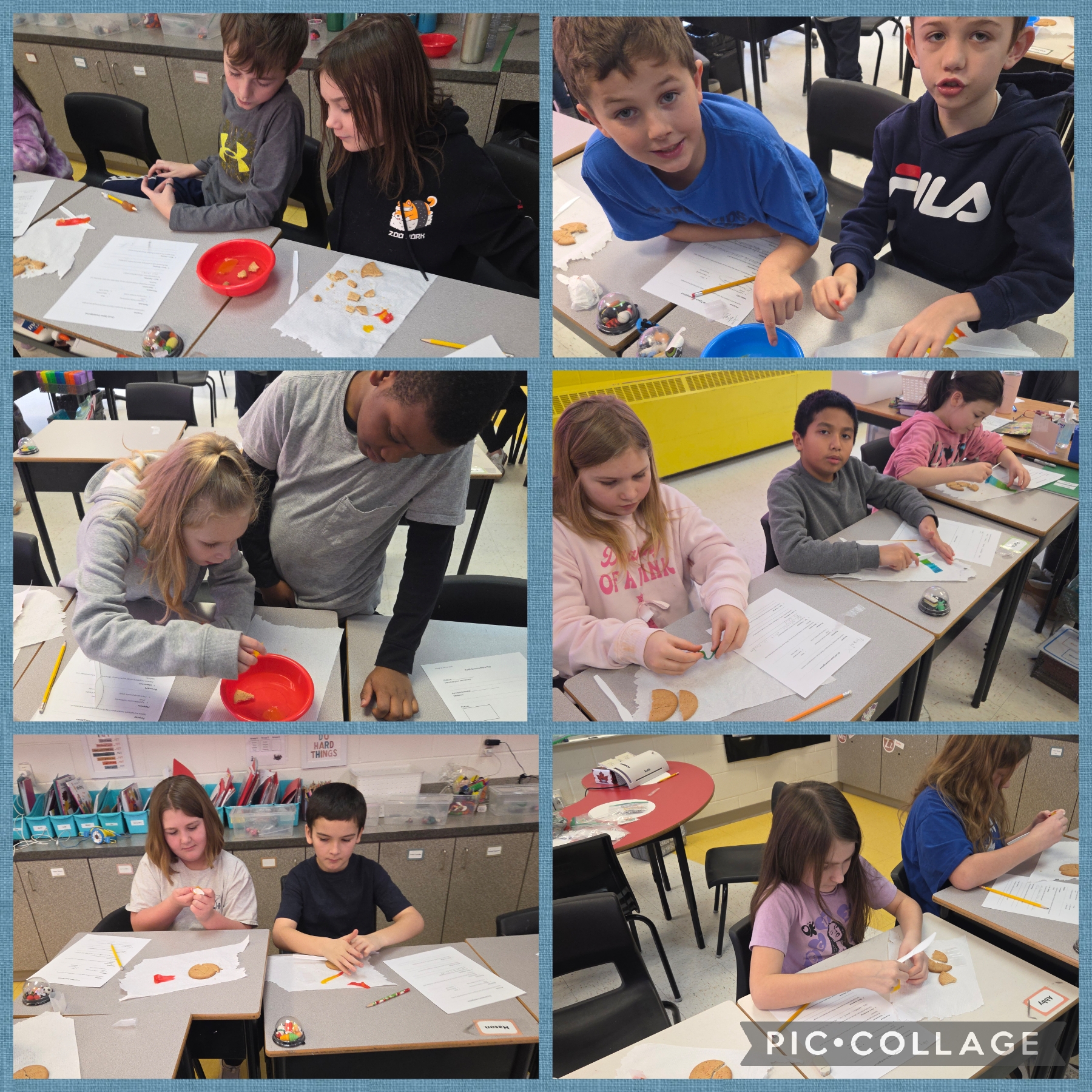
To kick off our Rocks and Minerals unit, we began with hands-on investigations that helped us become real scientists. First, we created an Earth Layer “Model in a Cup,” using colorful modeling clay to represent the different layers inside our planet. Then, we explored the differences between continental and oceanic crust with a fun experiment using graham crackers and fruit roll-ups. Through these activities, we learned how Earth’s layers are formed and how the crust can vary in thickness and flexibility. These investigations set the stage for our exciting journey into the world of rocks and minerals!

Science with LEGO

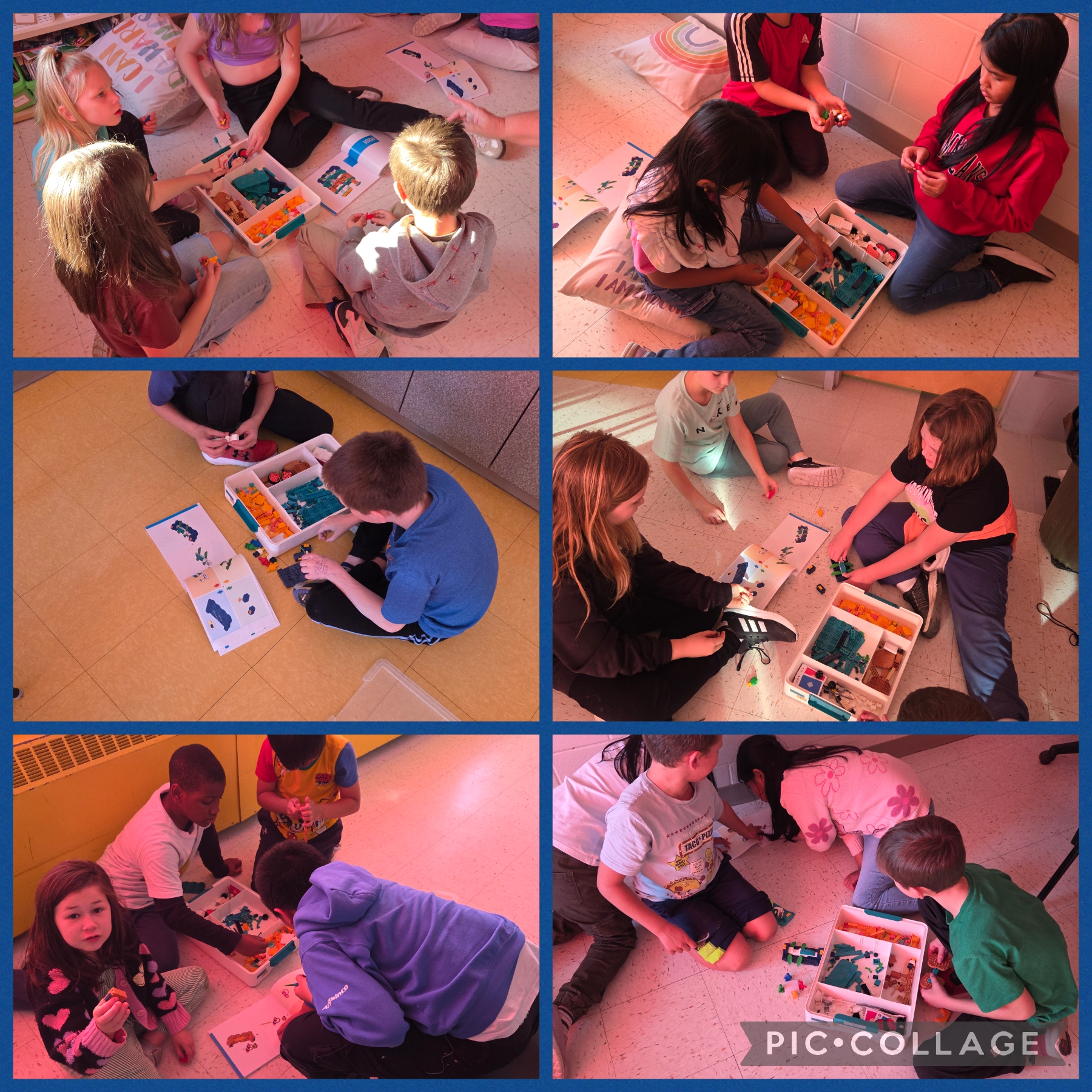
To kick off our new science unit on rocks and minerals, students used robotics LEGO kits to explore the different layers of the Earth. Working collaboratively, they completed multiple builds that represented the layers and features we’re studying. This hands-on approach made learning about geology interactive and brought scientific concepts to life!

Probability

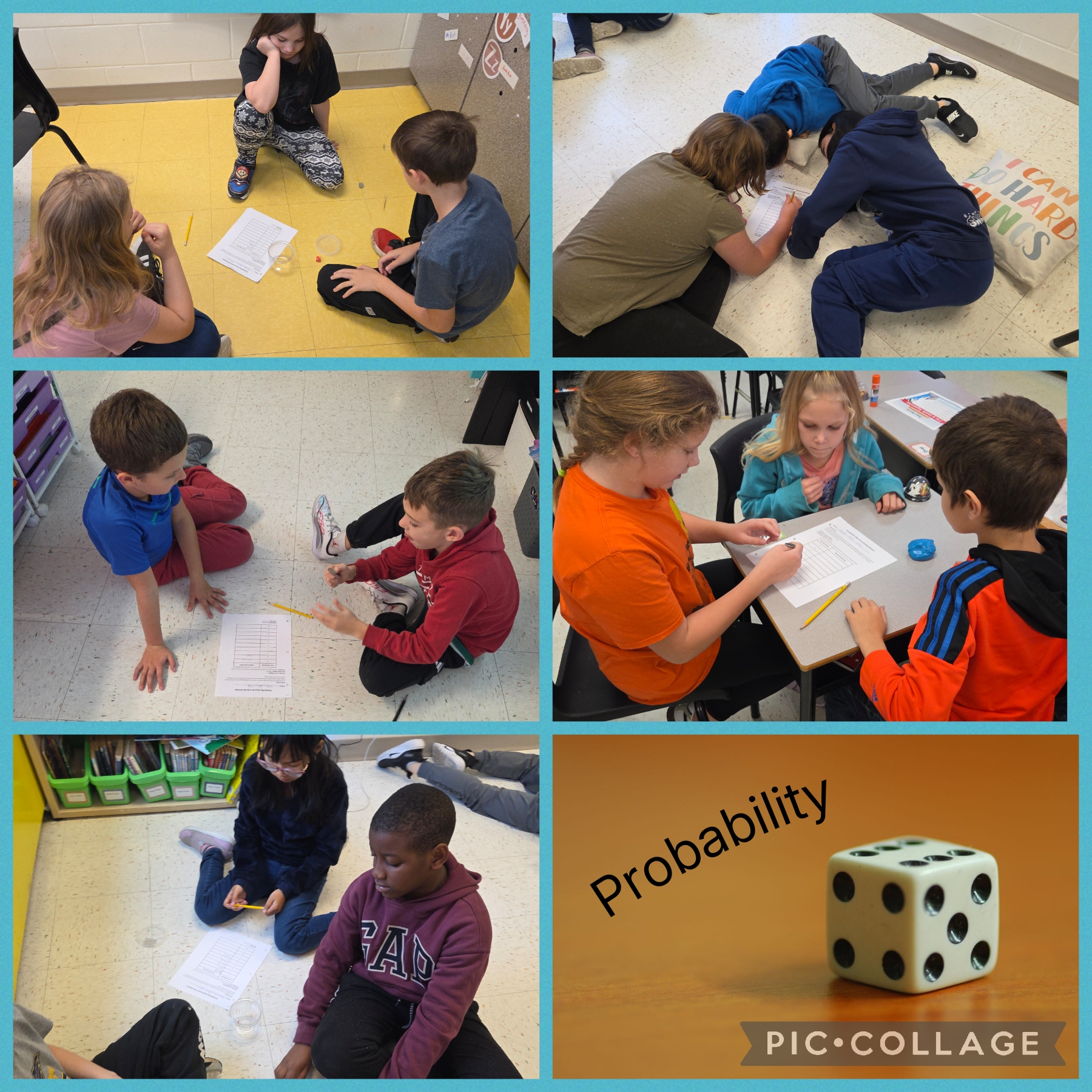
Students had a blast learning about probability in math class! Through fun activities like rolling dice, playing rock-paper-scissors, and predicting the chances of getting certain colored Smarties from their box, they explored how probability works in real life. These hands-on games made math engaging and helped students begin to understand key concepts in a memorable way.

Seven Mi’kmaq Territories

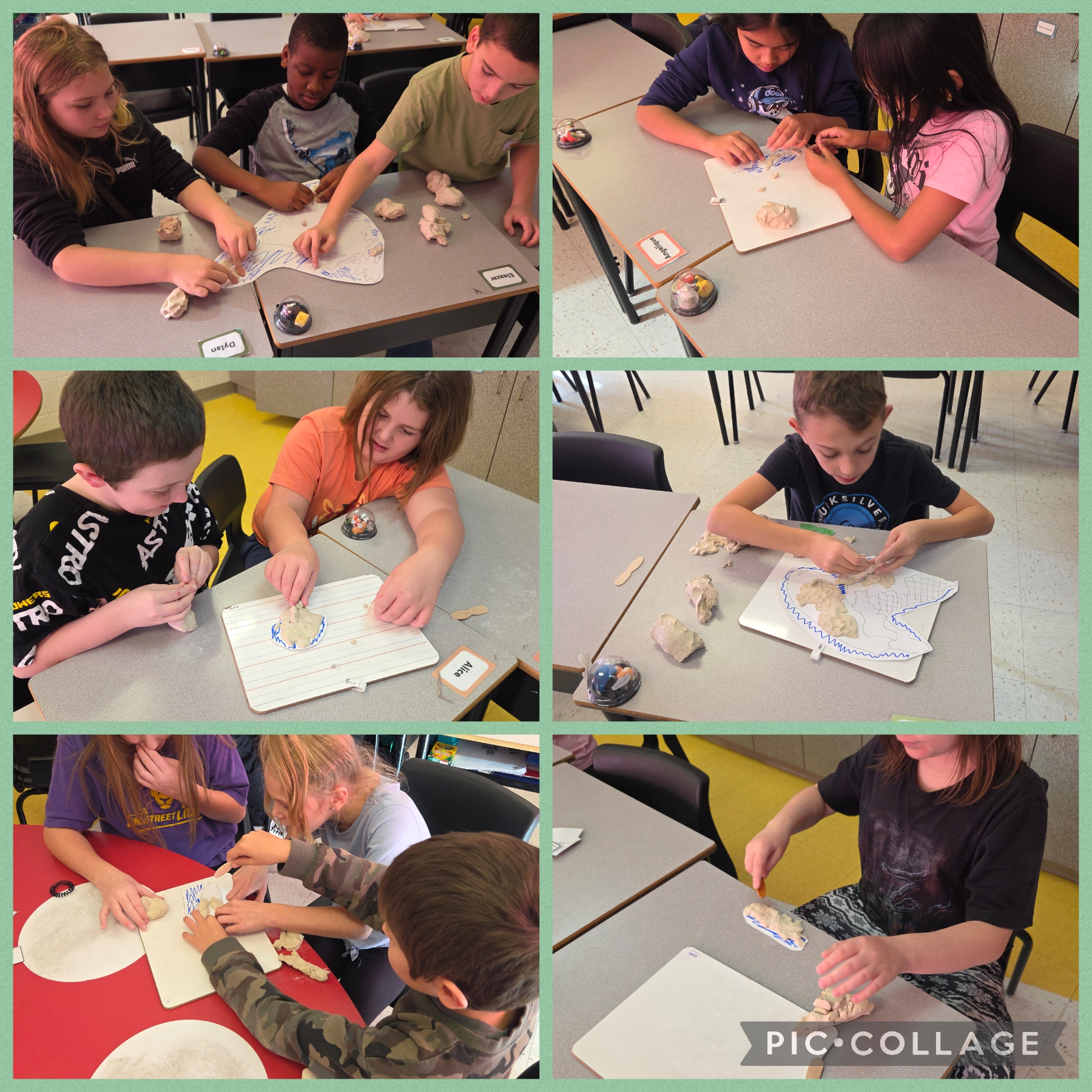
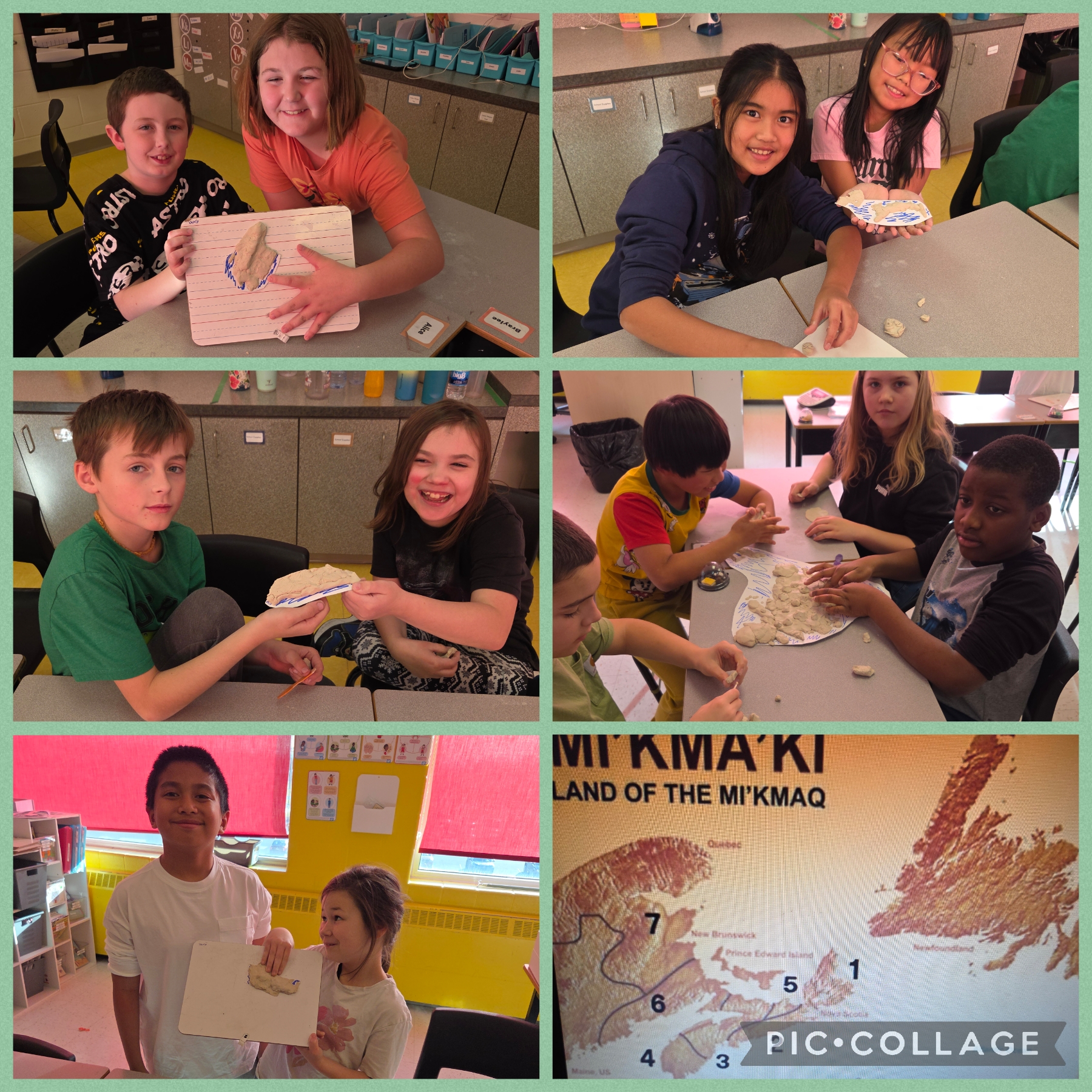
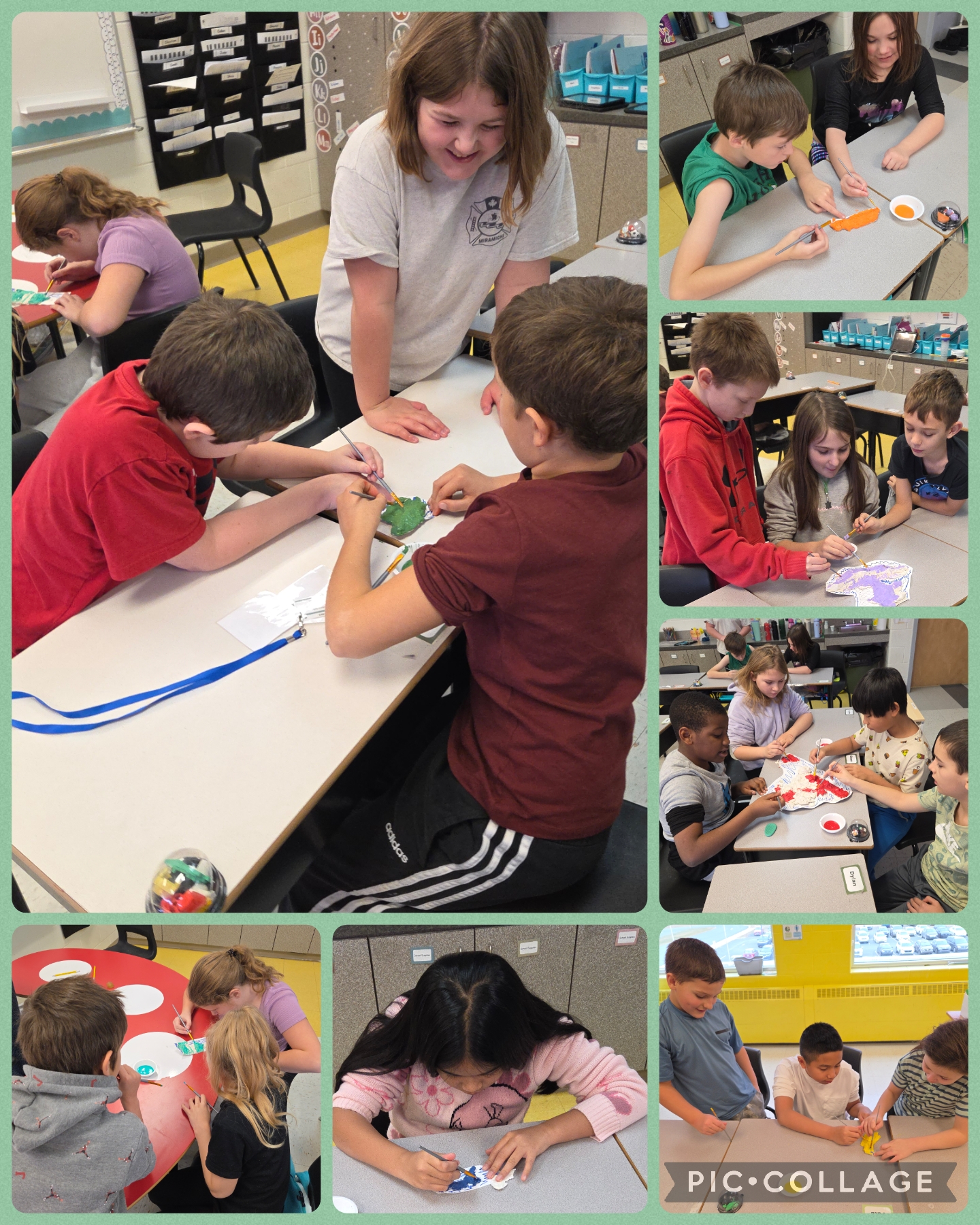
In social studies, students learned about the seven Mi’kmaq territories in eastern Canada. Working in small groups, they used playdough to create detailed maps of one of the seven territories. Afterward, they built elevation maps out of clay and painted them to represent their specific Mi’kmaq territory. Through this creative, collaborative project, students deepened their understanding of geography and Indigenous culture while working effectively together.

Recent News